Hialeah is not the polished postcard version of Miami, and that is the point. The real estate market here is shaped by working families, Spanish-first daily life, tight household networks, and a kind of local loyalty that outsiders often miss. Buyers are not only comparing square footage. They are asking whether abuela can walk to the bakery, whether a cousin can find work nearby, whether the school run makes sense, and whether the landlord understands the rhythm of the neighborhood. That gives Hialeah a property story with more texture than a simple “cheaper than Miami” label. For anyone building local housing research, the city deserves close study because it sits inside Miami-Dade pressure without acting like a glossy coastal market. It is dense, practical, bilingual in public life, and deeply tied to Cuban and Latin American culture. That mix creates demand that can look stubborn even when broader buyer confidence cools.
Why the Real Estate Market Works Differently in Hialeah
Hialeah runs on relationship signals. A buyer may check loan numbers online, but the final push often comes from family advice, a trusted agent, or a friend who already lives a few blocks away. Census data backs up the cultural point: Hialeah is overwhelmingly Hispanic, and most residents speak a language other than English at home, according to U.S. Census Bureau QuickFacts. That does not make the city one-note. It makes it specific. Specific places reward people who pay attention.
How a Spanish Speaking Community Shapes the First Showing
A Spanish speaking community changes the first five minutes of a property tour. It changes which questions get asked, who attends the showing, and what “good location” means. In many Hialeah households, the purchase is not treated as one person’s private move. It is a family discussion, sometimes across generations.
Picture a Saturday showing near West 49th Street. The buyer may arrive with a parent, a sibling, and a child who is already tired from errands. The agent who rushes straight into bedroom count may lose the room. The agent who explains parking, roof age, school traffic, and nearby shopping in plain language has a better chance of being trusted.
That matters for agents, sellers, and investors. A clean kitchen still helps. So does a roof with life left in it. But trust can carry as much weight as granite counters. If the buyer’s parents feel ignored, the deal can cool. If a landlord cannot explain lease terms in plain Spanish, a renter may walk away even when the price works.
The counterintuitive part is that language can make the process slower and faster at the same time. Slower because more relatives may weigh in. Faster because once trust is earned, a family network can move with force. A cousin hears about the unit. A coworker knows the block. A neighbor confirms the parking situation before the buyer asks twice.
Why Hialeah Homes Sell on Trust Before Price
Hialeah homes are often judged through lived details, not staged photos alone. A buyer notices the side entrance, the washer area, the driveway width, the shade near the front door, and the distance to a grocery run. Those details may sound small from outside the city. Inside the city, they shape daily life.
This is where generic Miami advice breaks down. A sleek downtown condo pitch will not land the same way in Hialeah. Many local buyers want room for family movement, easy errands, and a property that can handle a busy household. Privacy matters, but so does closeness. That is a hard balance, and Hialeah has been balancing it for decades.
A side entrance is a good example. In some cities, it may be treated as a minor design note. In Hialeah, it can raise serious questions about family use, privacy, possible tenant plans, permits, and insurance risk. One feature can carry both promise and warning.
The best sellers respect that rhythm. They do not hide flaws behind fancy wording. They show permits, roof age, parking limits, and repair history. Straight talk can protect the price because buyers here often know someone who knows the block. Hialeah homes do not sit inside a quiet information vacuum. The neighborhood talks.
Location Gives Hialeah Its Quiet Edge Inside Greater Miami
The city’s location is not glamorous in the South Beach sense. That may be its strength. Hialeah sits close enough to Miami jobs, airport-linked work, warehouses, medical offices, schools, and retail corridors to feel useful every day. It is also inland, dense, and more practical than pretty. People do not move here to impress strangers at dinner. They move here because the week needs to function.
What Miami Suburb Housing Means Near Work Routes
Miami suburb housing can mean a long, draining commute in some parts of South Florida. Hialeah is different because it is already woven into the metro’s work map. The city has rail access, nearby regional connections, and road links that matter for people moving between northwest Miami-Dade, the airport area, Doral, Medley, and central Miami.
That does not mean traffic is easy. It means the pain has options. A nurse working an early shift, a warehouse supervisor headed toward Medley, and a small-business owner serving clients across Miami-Dade may all read the map in different ways. Hialeah gives them a base that is not remote.
The map also helps explain why some buyers stay loyal after they can afford other areas. Moving farther west might bring a newer house. Moving east might bring a shorter drive to nightlife. Staying in Hialeah may keep the family closer to work, school pickups, doctors, and relatives who help during the week. That mix can beat curb appeal.
The same logic affects resale. A future buyer may not be shopping for a dream address. They may be shopping for a life that keeps relatives, work, and errands inside a tight circle. Hialeah’s value often sits in that circle, not in a listing adjective.
Here is the non-obvious angle: distance is less valuable than predictability. A house that is three miles closer to Miami can still feel worse if the route is messy. A Hialeah property near the right work pattern can beat a prettier suburb on daily stress. For buyers comparing Miami neighborhood comparison guide choices, that is where the city starts to make sense.
Why Airport, Warehouse, and Service Jobs Matter
Real estate demand is not only about high salaries. It is also about steady paychecks. Hialeah benefits from job clusters that do not always show up in luxury-market stories: airport services, logistics, health care support, retail, food businesses, repair shops, and family-run companies. These jobs keep households tied to the area.
A renter who works near Miami International Airport may not want a trendy apartment across the bay. A buyer with relatives in Hialeah, Hialeah Gardens, and Miami Lakes may prefer staying close to the support system that helps with child care and errands. That support has real cash value, even though it rarely appears on a mortgage worksheet.
The same logic shows up in small business life. A mechanic, bakery owner, home health worker, or delivery contractor may need customers nearby, not a prettier address. Hialeah’s density puts people, services, and errands close together. That can support storefronts and rentals even when the national mood turns cautious.
Investors should respect this point. Chasing only the highest rent can backfire if the property no longer matches the worker base. A clean, well-kept unit with fair terms can hold demand because it fits the life around it. The city rewards practical housing more than fantasy housing.
Affordability Is Real, but It Comes With Tradeoffs
Calling Hialeah affordable needs care. It is often more reachable than prime Miami neighborhoods, but it is not cheap for working families. Current housing trackers show pressure from both purchase prices and rents, while Census figures show household incomes that make monthly costs feel heavy for many residents. That gap is the main story. Hialeah offers access, not easy money.
For first-time buyers, this means the purchase should be tested against a bad month, not a perfect one. Add insurance, taxes, possible repairs, and higher utility use in older homes. If the number still works after that stress test, the property has a stronger case. If it only works under perfect conditions, Hialeah can punish the mistake.
Why Renters Compare Hialeah Homes Against Miami Prices
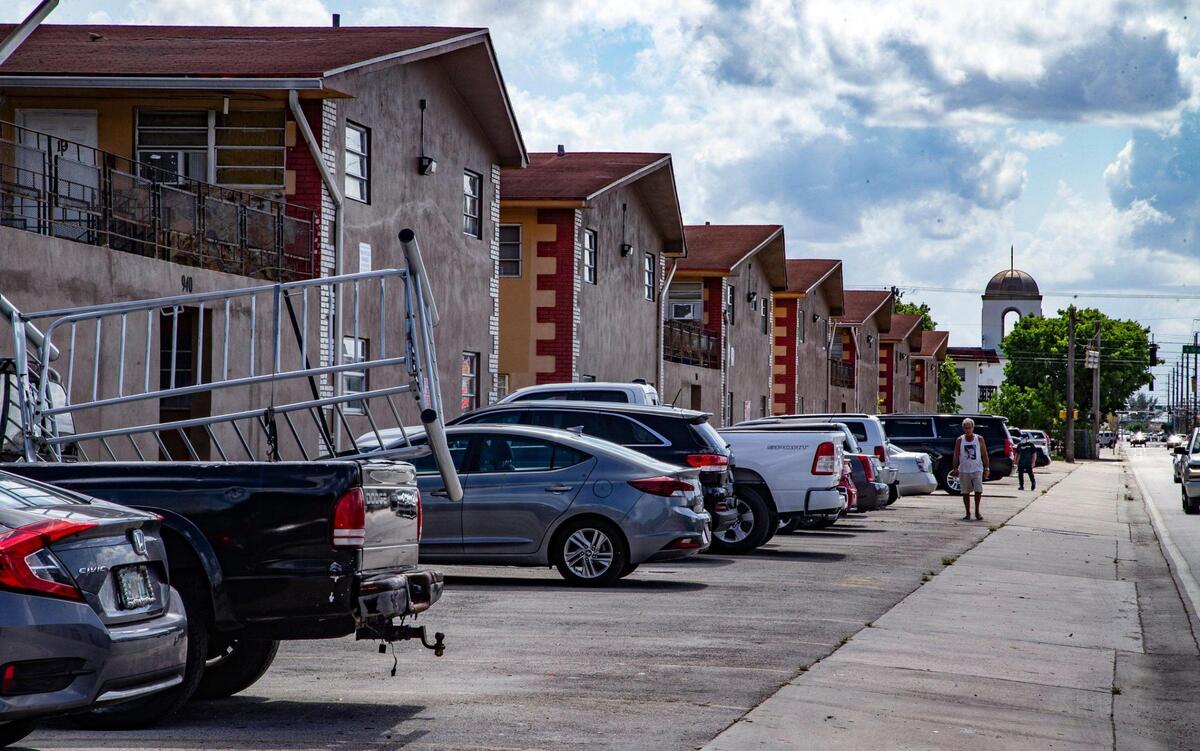
Renters often look at Hialeah homes because they want Miami-Dade access without paying the premium attached to flashier areas. The tradeoff is plain. You may get a more familiar community, strong local shopping, and better family fit, but you may also face older buildings, limited parking, and tight competition for good units.
Miami suburb housing gets judged by what it saves and what it costs. A lower rent loses value if the commute eats your evenings. A larger unit loses charm if the landlord ignores repairs. A well-priced duplex can beat a new apartment if it gives a family the space and stability they need.
The rent decision is also emotional. Someone who grew up hearing Spanish in every store may feel out of place in a newer community that looks cleaner on paper. Comfort has value. So does being able to ask the neighbor about a plumber, a tutor, or a church event without feeling like a guest in your own town.
The surprising part is that some renters do not want the newest building. They want the landlord who answers the phone, the neighbor who watches the front, and the street where their mother feels comfortable walking. That kind of demand is hard for national rent charts to measure.
How Older Properties Create Both Risk and Opening
Hialeah has plenty of older housing stock, and older properties tell the truth when you inspect them. Roofs, electrical panels, plumbing, windows, drainage, and unpermitted work need serious review. Skipping that step can turn a “deal” into a slow leak of cash.
Insurance has made this even more serious across Florida. A roof that looks acceptable to the eye may still hurt financing or monthly cost. A panel that worked for the last owner may not satisfy the next buyer, lender, or insurer. In Hialeah, the inspection period is not a formality. It is where the real price is discovered.
Still, older does not mean weak. In the right hands, an older Hialeah property can become a strong long-term hold because the location is already proven. You are not betting on a future lifestyle district. You are buying into a city where people already live, work, shop, and raise families.
The opening is in careful improvement. Not luxury finishes. Practical upgrades. Better cooling, safer entries, durable flooring, clean bathrooms, working appliances, and clear parking rules can move the needle. For landlords, the Florida rental property checklist should start with habitability before cosmetic polish. Tenants remember comfort longer than backsplash tile.
Buyers and Investors Need a Local Playbook
Hialeah is not a place where a spreadsheet alone can carry the decision. Numbers matter, but they need street-level reading. Two properties with similar beds, baths, and prices can perform in different ways because one sits near a busy cut-through and the other sits near family-serving retail. The local playbook starts with humility. Walk the block. Listen before you decide.
How to Read Block-by-Block Demand
Block-by-block demand in Hialeah can change fast. A property near a school, bakery, park, clinic, or bus route may pull steady attention. A similar property beside a loud industrial edge may need a discount. The city is dense enough that small location shifts matter.
Do not judge only by online photos. Drive the area during school pickup, after work, and late evening. Watch parking. Listen for noise. Check drainage after rain when possible. Ask how trash pickup, street lighting, and code enforcement feel on that exact block. These are not side issues. They shape tenant retention and resale confidence.
A simple field check can reveal more than a listing sheet:
- How many cars are parked after 7 p.m.?
- Do nearby homes look cared for or patched together?
- Are sidewalks, lighting, and crossings workable for older relatives?
- Is the street calm enough for families?
- Would a tenant feel safe coming home after a late shift?
A buyer should also compare condo rules, association reserves, insurance costs, and special assessment risk. A low sticker price can hide a weak building budget. The safer move is not always the cheapest address. The safer move is the one where the full monthly burden still makes sense.
Why Bilingual Renting Is More Than Translation
A Spanish speaking community needs more than a lease run through a translation tool. Bilingual renting means clear expectations, fair notices, repair records, and respectful communication. Tenants should know how to report a problem, when rent is due, what parking is allowed, and who handles maintenance.
This protects owners too. Confusion creates disputes. Clear language creates records. A landlord who can explain rules in the tenant’s strongest language is not being soft. That landlord is reducing risk.
The best approach is simple but disciplined. Use plain terms. Keep written records. Make repair timelines clear. Explain renewal rules before the final week. If a tenant is late, document the issue without turning the conversation into a personal fight. Respect and firmness can sit in the same room.
There is also a reputation effect. Good tenants talk. Bad landlords get known. In Hialeah, word can move through family, church, school, and workplace circles with speed. For investors, that can help or hurt. The property is not the only brand. The way you treat people becomes part of the asset.
A final local habit helps: ask questions before making rules. A parking issue may be a household-size issue. A late repair request may come from shift work, not neglect. Owners who learn the pattern can solve problems early and keep good tenants longer.
Conclusion
Hialeah rewards people who see the city as more than a cheaper doorway into Miami. Its strength comes from culture, family networks, steady work routes, dense local commerce, and housing that serves daily life before image. That is why the real estate market here does not behave like a simple suburb on the edge of a famous city. It has its own rules, and many of those rules are written in Spanish at the kitchen table before they ever reach a closing office.
The smart move is to study the human pattern behind the property. Who lives nearby? Who helps with child care? Where do people shop after work? What repairs will matter during a hot August week? Those questions reveal more than a polished listing can.
Hialeah is not easy. Insurance, aging buildings, traffic, and affordability stress all deserve respect. But for buyers, renters, and investors who want a grounded Miami-Dade foothold, it offers something rare: a local identity strong enough to keep demand rooted through changing cycles.
Frequently Asked Questions
Is Hialeah a good place to buy a home near Miami?
Yes, if you want Miami-Dade access, strong local culture, and a practical inland location. The best fit is usually a buyer who values family convenience, Spanish-first neighborhood life, and daily function over coastal image. Inspection quality matters because many properties are older.
Why is Hialeah known for Spanish-speaking residents?
The city has one of the strongest Hispanic and Spanish-speaking identities among large U.S. cities. Spanish shapes shopping, services, family life, and many housing conversations. That makes local trust and bilingual communication a major part of buying, renting, and managing property.
Are Hialeah homes cheaper than Miami homes?
Often, but not always. Hialeah can be more reachable than high-demand Miami neighborhoods, yet prices and rents still feel heavy for many local households. Buyers should compare monthly payment, insurance, commute, parking, and repair risk before calling any property affordable.
What type of buyer fits Hialeah best?
A practical buyer fits best. That may be a local family, a first-time buyer, a worker tied to northwest Miami-Dade, or an investor who understands tenant needs. People looking for luxury branding may miss what makes the city valuable.
Is Hialeah good for rental property investors?
It can be, but the strategy must be grounded. Durable finishes, fair lease terms, fast repairs, and bilingual communication matter. Investors who chase rent without maintaining the property may struggle with turnover, complaints, and reputation damage in a close-knit city.
What should renters check before moving to Hialeah?
Renters should check parking, commute routes, building condition, cooling, lease terms, and repair response. It also helps to visit at different times of day. A unit that looks fine online may feel different during school traffic or after-work congestion.
Does Hialeah have good access to jobs?
Yes, especially for people connected to Miami airport work, logistics, health care support, retail, food service, and small businesses across northwest Miami-Dade. The value is not only distance. It is whether the route fits your actual work schedule.
What is the biggest risk when buying in Hialeah?
The biggest risk is underestimating total ownership cost. Older systems, insurance, association fees, repairs, and parking limits can change the deal. A careful inspection and realistic monthly budget matter more than winning a low purchase price.