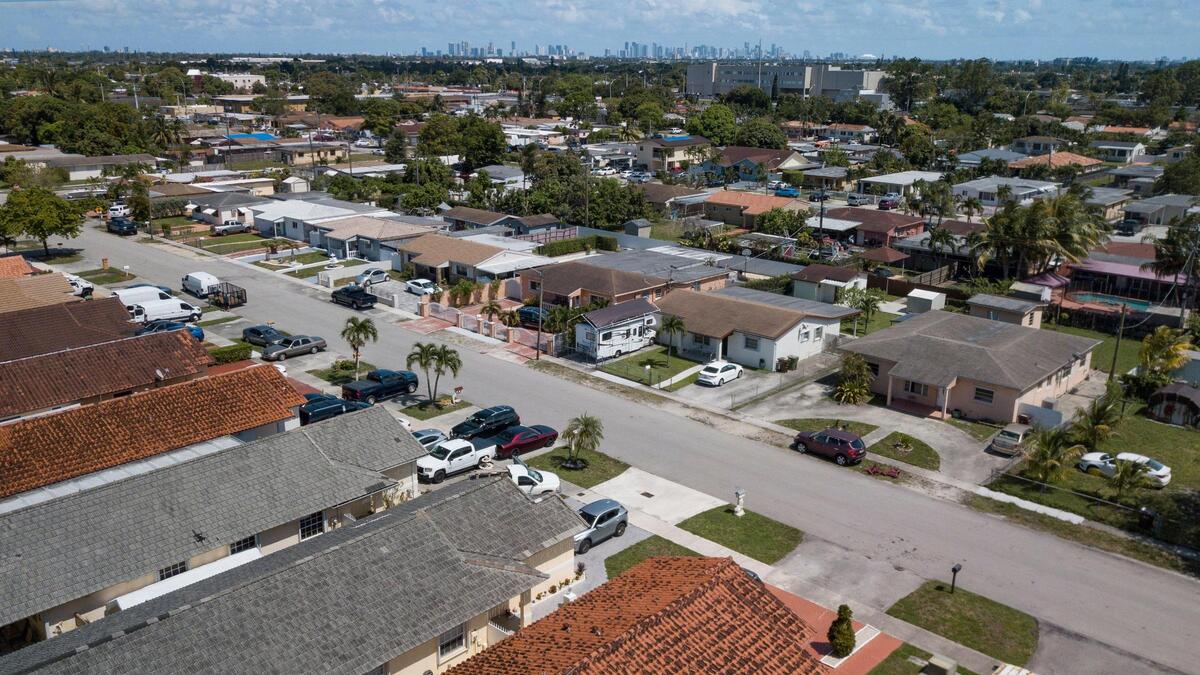
Some suburbs win attention because they are cheap; this one wins because parents trust the daily life behind the price. Gilbert Arizona has become one of the East Valley places where school quality, family routines, commute access, and resale confidence meet in the same decision. The town is no longer a hidden bargain. The U.S. Census Bureau QuickFacts places its 2025 population near 287,000, with a high owner-occupied housing rate and a median owner-occupied value that sits well above many U.S. communities. That tells you the search intent right away: buyers want to know whether the premium still makes sense, renters want to know if the move is worth the monthly cost, and owners want to know if school demand can keep values steady. For broader local market signals, Gilbert is a useful case study because it does not behave like a pure boomtown anymore. It behaves like a maturing family market where East Valley homes get judged by schools, streets, commute patterns, and the quiet comfort of knowing the neighborhood will still make sense five years from now.
Why Gilbert Arizona Holds Buyer Attention in the East Valley
Gilbert’s housing story starts with a simple pressure point: families do not buy only a house here. They buy a school path, a morning drive, a weekend rhythm, and a resale story they can explain later without sounding hopeful. That matters because the Phoenix metro has grown outward in many directions. Some places offer cheaper land. Some offer shorter drives. Gilbert keeps pulling attention because it sits in the middle of a practical family triangle: schools, safety perception, and access to jobs across the East Valley.
The school map shapes the shopping map
Ask a parent shopping for a home near Greenfield Road, Val Vista Drive, or Higley Road what they checked first. Many will mention the kitchen, the yard, or the pool. Then the truth comes out. They checked the assigned school before they fell in love with the house.
That order changes the market. A home with an average floor plan can still pull strong interest if it sits inside a school boundary that families already know by name. The reverse also happens. A larger home can sit longer if buyers feel unsure about the school path or the drive pattern around it.
Gilbert Public Schools reported an A district letter grade for the 2024-25 school year, with 32 schools earning A grades and 6 earning B grades under Arizona’s state rating system. The Arizona State Board of Education explains that A-F grades are tied to the state’s annual achievement profile system for public schools. That does not mean every family reads the full report card. Most do not. But the public signal travels fast through parent groups, agent conversations, and casual driveway talk.
Here is the quiet part: school reputation often works before a buyer has children old enough to enroll. A couple expecting their first child may still pay more for a house that keeps future options open. That is not emotion alone. It is risk control.
Why East Valley homes still feel competitive
The odd thing about Gilbert is that slower price growth does not always feel like relief. A buyer may see more listings, more price cuts, or longer days on market, yet still feel pressure when the right school boundary and floor plan appear together. That is the difference between a soft market and a weak location.
Recent housing data shows this balance. Redfin described the Gilbert market as somewhat competitive, with homes selling around the high-$500,000 range over the recent three-month window and taking about a month and a half to sell. Zillow’s May 2026 reading placed the average home value in a similar range, slightly down from the prior year.
That can sound like bad news if you only read the direction of the line. It is more useful to read the behavior underneath it. A market can cool at the top and still protect better-located homes. Sellers who overprice a dated two-story may need to cut. A well-kept single-level home near a respected campus may still move faster than the townwide numbers suggest.
A good example is a house that looks ordinary online but sits near a clean commute route and a known elementary campus. It may not win on photos. It may win when the buyer drives the route at 7:35 a.m. and sees that the week would feel manageable. In suburbs built around routines, that kind of comfort has real price weight.
This is why family-focused real estate planning matters more in Gilbert than a quick scan of the median price. The average tells you the weather. The school boundary tells you whether you should carry an umbrella.
Top Ranked Schools Turn Family Demand Into Pricing Power
School demand does not raise values by magic. It works because it solves a problem buyers hate: uncertainty. In a market where mortgage payments are larger, insurance is not free, and moving costs sting, families prefer a home that removes one big worry from the list. A strong school reputation gives them a reason to stretch. It also gives future buyers a reason to care when the current owner sells.
How Gilbert schools change a buyer’s risk math
Gilbert schools influence decisions because they make a house easier to defend. A buyer can accept a smaller yard, an older roof, or a less dramatic kitchen when the school path feels solid. They may not love the compromise, but they can explain it.
That matters during negotiations. When a home has four similar offers, the winning buyer may not be the one chasing status. It may be the family that knows there are only a few houses available near a certain campus and does not want to restart the search next week.
U.S. News rankings reported strong placements for Gilbert Classical Academy and Neely Traditional Academy in 2025, according to the district’s announcement. Rankings are never the whole story. They can miss classroom culture, commute stress, and whether a child fits the program. Still, they add one more public signal for buyers who are trying to compare homes from outside the area.
A non-obvious point sits here. Top schools can help values, but they can also narrow demand. A home priced for perfection may scare off buyers who love the school but cannot stomach the payment. The school pulls them in. The monthly cost pushes them back. Good sellers understand both forces.
Why a B-rated street can beat a bigger house
Many buyers make a mistake when they treat school quality as a single townwide label. Gilbert is not one flat school zone. It has district schools, charter options, academy programs, and attendance boundaries that matter on a block-by-block basis.
A smaller home near a stable elementary path may beat a larger home where the buyer has questions about traffic, future reassignment, or middle school fit. That sounds unfair until you remember what families are buying. They are buying a weekday life.
Think of a family moving from California, Chicago, or Seattle after watching prices climb in their old metro. They land in the Southeast Valley with a spreadsheet. One column says square footage. One says commute. One says school. The house with the cleanest school answer often survives the cuts, even when it is not the prettiest listing.
That is the pricing power. It is not a guarantee of fast appreciation. It is a shield against being ignored.
This also explains why investors must be careful. Buying near a strong campus can support rent demand, but families renting in school zones often compare total monthly cost with ownership. If the rent gets too close to a mortgage payment, the best tenants may leave as soon as they can buy. School demand helps, but it does not forgive bad math.
One more detail matters for owners. A school premium can fade if the house itself feels neglected. Buyers may forgive dated cabinets when the roof is sound and the air conditioning is well maintained. They are less patient with deferred repairs because a family move already carries enough stress. In that sense, Gilbert schools may bring the buyer to the door, but property care still closes the deal.
Neighborhood Choice Matters More Than the Townwide Median
The townwide median price is a blunt tool. It can tell you whether Gilbert sits above or below nearby markets, but it cannot tell you whether a specific home is smart. The better question is smaller: who will want this exact house later, and why? Once you ask that, the market becomes less confusing.
Where East Valley homes feel different block by block
East Valley homes are shaped by details that do not fit neatly into a single price chart. A house near downtown Gilbert may appeal to buyers who want restaurants, older character, and a tighter town feel. A home closer to Power Ranch may attract families who want planned amenities, trails, parks, and newer layouts. A property near the Chandler line may pull workers who care about tech and office access.
These are not minor differences. They change the buyer pool.
Census data shows Gilbert’s owner-occupied housing rate above 70 percent for 2020-2024, while median gross rent also sits high enough to show that renting is not a cheap fallback for many households. That supports a common local pattern: many people want to own, but the payment has to make sense. When rates pinch, renters stay put longer. When confidence returns, the same renters may become buyers in the neighborhoods they already know.
The counterintuitive lesson is that a slower market can make neighborhood quality more visible. During a frenzy, almost anything sells. During a calmer year, buyers sort harder. They notice road noise. They notice shade. They notice how far the garage sits from the school pickup line.
The hidden cost of buying only for square footage
Square footage is easy to compare, so buyers lean on it too much. A 2,900-square-foot home can look like a better deal than a 2,350-square-foot home until you drive the commute, check the yard exposure, and sit through school pickup traffic at 3:10 p.m.
In Gilbert, the right layout can beat extra size. A single-level home with split bedrooms, a usable office, and a shaded patio may live better than a bigger two-story with wasted loft space. That is especially true for multigenerational households, remote workers, and families with young children.
This matters for resale. The next buyer will not pay only for air-conditioned space. They will pay for the way the home removes friction from the week. Can a parent take a work call away from the playroom? Can a grandparent stay without climbing stairs? Can teenagers reach school, sports, and food without turning every errand into a long drive?
For more help weighing those tradeoffs, a school district home buying checklist can keep buyers from chasing the wrong number. Bigger is not always better. In Gilbert, better is often the house that makes Monday easier.
A yard with afternoon shade may sound like a small perk until July arrives. A garage with storage may feel dull until sports gear, tools, strollers, and holiday bins start fighting for space. These plain details rarely lead a listing description, but they often decide whether a family stays happy after closing.
What Buyers, Renters, and Investors Should Watch Next
Gilbert’s next chapter will not be decided by one headline. It will come from the push and pull between school demand, affordability, mortgage rates, nearby job growth, and the amount of new housing spreading farther southeast. The town has already proved it can attract families. The harder question is whether those families can still afford the version of Gilbert they want.
How Arizona real estate conditions change the deal
Arizona real estate has moved into a more selective phase. The old Sun Belt assumption was simple: people keep coming, prices keep rising, and sellers stay in control. That story has more cracks now. Higher payments make buyers slower. More inventory in parts of the Phoenix area gives shoppers room to compare. Some sellers still price like it is 2021, and buyers are not as forgiving.
That does not erase Gilbert’s strengths. It changes how you measure them.
A family buyer should not ask, “Will this house go up next year?” That is too thin. A better question is, “Will another family understand this purchase when I need to sell?” Strong schools, good street position, shade, layout, and commute access all help answer yes.
Renters face a different choice. If they need the school path now, renting may be the cleanest move, even when the monthly number feels high. If they can wait, they may gain bargaining power as listings sit longer. The point is not to rush. It is to know what you are paying for.
When school demand protects value without creating easy profit
School demand can protect a home from becoming invisible. It cannot turn any purchase into a win. That distinction matters for investors and buyers who have heard too many easy stories about Arizona real estate.
A rental near a strong school may attract stable families, but it also needs the right rent-to-price balance. A family tenant wants storage, parking, washer-dryer access, safe-feeling streets, and a landlord who fixes things before frustration builds. The school gets attention. The living experience keeps the tenant.
For owners, the practical move is not to overbuild for luxury. It is to keep the home aligned with the family buyer. Good flooring, a functional kitchen, clean bathrooms, shade, and a usable yard often matter more than flashy upgrades. A $30,000 design choice that looks personal can shrink the buyer pool. A quieter repair may protect value better.
That is the adult version of the Gilbert story. It is not a get-rich suburb. It is a high-demand family market where mistakes still cost money. The people who do best are the ones who respect the premium without worshiping it.
The next few years may reward patience more than speed. Buyers who wait for the right home instead of chasing the first discount can avoid expensive regret. Sellers who repair, stage, and price with discipline can still reach serious families. Investors who treat the school premium as one input, not the whole plan, will make cleaner decisions.
Conclusion
Gilbert’s strength comes from the way ordinary family decisions stack on top of each other. Parents want schools they trust. Buyers want a neighborhood that will make sense later. Renters want access without feeling stranded. Owners want a market where the next person can see the same value they saw. That is why Gilbert Arizona remains one of the East Valley’s most watched suburbs, even when the price charts cool and the easy boom narrative fades. The smarter read is not that every home wins. It is that the right homes keep a clearer audience. If you are buying, study the school path, the street, the layout, and the monthly payment in one picture. If you are selling, price for today’s buyer, not yesterday’s frenzy. The suburb still rewards patience, but it punishes lazy assumptions. Make the move for the life the house supports, and the value story has a stronger chance to hold.
Frequently Asked Questions
Is Gilbert still one of the fastest growing suburbs in Arizona?
Its explosive growth phase has cooled, but the town remains a major East Valley population center with strong family demand. Buyers should view it as a mature premium suburb now, not an undiscovered bargain or a cheap outer-ring option.
Do top schools raise home values in Gilbert?
Strong schools can support demand because families want a clear education path and better resale confidence. They do not guarantee appreciation, though. Price, condition, layout, street quality, and mortgage affordability still shape what buyers will pay.
What makes Gilbert different from Chandler or Mesa?
Gilbert often feels more residential and family-centered, while Chandler has a stronger tech-employment identity and Mesa offers wider price variety. The best choice depends on commute needs, school fit, budget, and how much neighborhood age matters to you.
Is Gilbert a good place for families moving from out of state?
Many families like the school options, planned neighborhoods, parks, and access to East Valley jobs. Out-of-state buyers should visit during school traffic, summer heat, and evening commute hours before deciding. The daily routine matters more than the brochure feel.
Are Gilbert homes overpriced in 2026?
Some listings are priced too high for current buyer budgets, but that does not mean the whole market is weak. Well-located homes with strong school appeal can still hold attention. Buyers should compare recent sales, not old asking-price expectations.
Should investors buy rental homes near Gilbert schools?
It can work when the numbers are disciplined. Family renters often value school access, storage, parking, and safe-feeling streets. The risk is overpaying for the school premium and then discovering the rent cannot cover the full cost structure.
Which Gilbert neighborhoods are best for resale value?
Neighborhoods with strong school paths, practical layouts, low road noise, shade, and easy access to shopping or commute routes tend to appeal to future buyers. Do not judge by subdivision name alone. A weaker lot inside a famous area can still disappoint.
Is it better to rent before buying in Gilbert?
Renting first can help if you are new to the East Valley and unsure about schools, commute, or neighborhood rhythm. A year of local experience may save you from buying the wrong house for the right town.