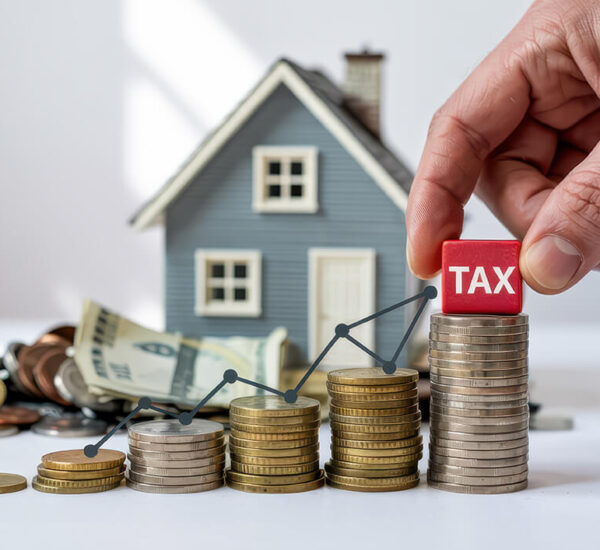
Buying a home as an investment looks calm from the outside, but money has a way of exposing weak thinking fast. A property can sit on a pleasant street, photograph well, and still become a slow drain if the numbers, tenant demand, and exit plan do not hold together. Good investment tips are not about chasing the loudest opportunity; they are about learning how to say no before emotion gets expensive. A sound property investment strategy starts with patience, not excitement. You need to understand the area, the people who want to live there, the likely rent, the repair burden, and the moment when walking away protects your future. For wider property visibility and market-facing content support, platforms such as real estate publishing networks can help investors think more carefully about how property information reaches buyers and readers. The goal is not to buy any house that seems promising. The goal is to buy one that keeps making sense after the thrill is gone.
Build the Investment Around Demand, Not Hope
A residential property only becomes an asset when someone wants to live in it at a price that supports your plan. Too many buyers start with the building first and the tenant second, which is backward. The paint color, porch size, and kitchen finish matter less than whether the property solves a real housing need in that exact location.
How to judge rental demand before you buy
A strong rental market leaves clues before you ever speak to an agent. Look at how long similar homes stay vacant, how quickly rental listings disappear, and whether the same homes keep returning to the market with price cuts. A neighborhood with steady inquiries at fair rent usually beats a flashy area where landlords are competing for attention.
Tenant demand also changes by property type. A three-bedroom home near schools may attract families who stay longer, while a smaller apartment near transit may appeal to workers who move more often. Neither is automatically better. The better choice is the one that fits your cash flow plan, maintenance tolerance, and time horizon.
A practical property investment strategy treats demand like evidence, not a mood. You should be able to explain who will rent the home, why they would choose it, and what similar tenants are paying nearby. If that explanation sounds thin, the deal is not ready.
Why owner appeal and tenant appeal are not the same
A home you would enjoy living in may not be the best rental. Buyers often pay extra for emotional features that tenants may not reward with higher rent. A landscaped garden, premium fixtures, or unusual layout can look attractive during a viewing but add little to monthly income.
Rental property analysis should focus on repeatable value. Parking, storage, safety, internet access, room size, and commute routes often matter more than decorative upgrades. Tenants pay for comfort and convenience before they pay for charm.
This is where many careful investors gain an edge. They ignore the parts of the property that flatter the buyer and study the parts that reduce vacancy. A plain house in a dependable area can outperform a prettier one that creates constant tenant turnover.
Make the Numbers Survive Bad Months
A property that works only when everything goes right is not an investment. It is a gamble wearing nicer clothes. Real ownership includes empty months, repair calls, insurance changes, tax shifts, and tenants who do not treat the home the way you hoped they would.
How cash flow should protect your decision
Cash flow is not the rent minus the mortgage. That shortcut has ruined plenty of first-time investors. Real cash flow includes taxes, insurance, repairs, property management, vacancy allowance, service charges, and money held back for large future costs.
A smart buyer builds a margin before signing anything. If the property barely breaks even on paper, one plumbing issue can turn the year negative. That does not mean every deal must produce huge monthly income, but it should have enough room to absorb ordinary trouble.
Investment tips matter most when excitement starts arguing with math. A clean spreadsheet has no loyalty to your feelings, and that is why you need one. When the numbers say the deal is weak, listen before the property teaches the lesson in cash.
Why cheap homes can become expensive lessons
A low purchase price can hide a long list of problems. Older wiring, weak roofing, poor drainage, worn plumbing, and neglected interiors can turn a bargain into a repair schedule. The danger is not one big cost. The danger is a steady leak of money that never lets the investment breathe.
Rental property analysis should include a repair walk-through with someone who knows how buildings age. A house can look serviceable while carrying defects that will appear only after rain, heat, or daily tenant use. Cosmetic fixes are easy to price. Structural neglect is where optimism gets punished.
A lower price only helps when the discount is larger than the risk. Many investors learn this too late because cheap feels safe. Not always. But often enough, the lowest-priced property in the area is low for reasons the listing politely avoids.
Choose Location With a Long Memory
Location is not a slogan. It is the force that shapes rent, resale value, tenant quality, insurance risk, and how quickly your property recovers from a weak market. A good building in a fading area can struggle, while an average building in a strengthening area can quietly improve your position year after year.
What neighborhood signals matter most
A strong location shows movement before prices fully reflect it. Watch for improving roads, cleaner public spaces, better retail occupancy, school demand, safer walking routes, and local services that people use daily. These signs reveal whether residents are choosing the area, not simply tolerating it.
Long term property value often grows when practical life becomes easier for the people who live nearby. A new grocery store, better transport link, or reliable clinic can matter more than a fashionable café. Trendy features may attract attention, but daily usefulness holds value longer.
You should also look at what is not changing. If vacant lots stay empty for years, drainage problems remain ignored, or businesses keep closing, the area may be stuck. A property investment strategy needs honest local observation, not borrowed confidence from a sales pitch.
How future resale should shape today’s offer
Buying for rent does not mean you can ignore resale. One day you may need to sell, refinance, restructure debt, or move capital into a better property. The exit matters even when you plan to hold for years.
A home with broad buyer appeal gives you more options later. Standard layouts, clear ownership records, reasonable maintenance needs, and access to daily services make resale easier. Odd properties can work, but they often require a buyer with the same unusual taste you had at purchase.
Long term property value depends on the next buyer seeing a clear reason to act. You are not only buying today’s income; you are buying tomorrow’s story. Make sure that story can be told quickly, clearly, and without excuses.
Manage Risk Before It Starts Managing You
Risk in property rarely arrives as one dramatic disaster. It usually enters through small neglected details: a weak lease, poor tenant screening, loose repair records, or a purchase made without checking the legal position. Careful investors do not eliminate risk. They make it visible early.
Why legal checks deserve more respect
A property can look perfect and still carry problems that reduce its value. Boundary disputes, unclear title history, unpaid dues, informal extensions, access issues, and zoning limits can all damage the deal. These problems do not care how attractive the house looks from the street.
You need proper document review before your money becomes difficult to recover. That means checking ownership, permissions, taxes, building approvals, and any restrictions that could affect rental use or resale. Skipping this step to “move fast” is not bold. It is careless.
Residential Real Estate rewards buyers who treat paperwork as part of the property, not as a boring delay after the viewing. The legal condition of the asset is part of what you are buying. Weak documents can turn strong rent into a weak investment.
How good management protects the return
A rental home needs systems, not guesswork. Tenant screening, written agreements, inspection schedules, repair response times, and payment tracking all protect the investment after purchase. Without structure, even a good property can become stressful.
Good management also keeps tenants longer. People are more likely to respect a home when repairs are handled fairly, rules are clear, and communication stays professional. A landlord who disappears until rent day creates tension that often costs money later.
Rental property analysis should continue after the purchase. Track actual rent, repair costs, vacancy periods, tenant feedback, and neighborhood changes. The best investors adjust early because they know ownership is not a single decision. It is a habit.
Conclusion
Strong property investing does not reward the loudest buyer. It rewards the one who can stay calm while other people rush, compare the numbers without flinching, and walk away from a deal that needs too many excuses. The best opportunities often look ordinary at first because their strength is hidden in steady demand, clean documents, manageable repairs, and a location people can rely on. That is the quiet discipline behind Residential Real Estate investing. You are not trying to prove you found a bargain. You are trying to build a position that still makes sense when the market cools, when repairs arrive, and when tenants have choices. Before you make your next offer, write down the rent logic, repair risk, resale path, and legal checks in plain language. If the deal cannot survive that simple test, keep your money ready for one that can.
Frequently Asked Questions
What are the best property investment strategy tips for beginners?
Start with demand, cash flow, and legal clarity before thinking about profit. Beginners should study comparable rents, estimate repairs honestly, and avoid deals that depend on perfect conditions. A simple property with steady tenant appeal usually teaches better lessons than a risky bargain.
How does rental property analysis help before buying a home?
Rental property analysis shows whether the income can support the costs. It helps you compare expected rent against mortgage payments, taxes, insurance, vacancy, repairs, and management. Without that check, a property can look profitable while quietly losing money each month.
What affects long term property value the most?
Location, daily convenience, legal clarity, building condition, and future buyer demand shape long term property value. A home near transport, schools, services, and stable employment areas usually has stronger resale appeal than one depending only on appearance or short-term hype.
How much cash flow should a rental property have?
A rental should leave enough margin to handle vacancy, repairs, and rising costs without creating stress. The exact amount depends on the market and financing, but a deal that barely breaks even before repairs is already warning you to slow down.
Is a cheap residential property always a good investment?
A cheap property is only good when the discount is larger than the hidden risk. Low prices can signal repair problems, weak demand, legal issues, or poor resale appeal. Price matters, but the reason behind the low price matters more.
What should I check before investing in a rental home?
Check rental demand, comparable rents, property condition, title documents, taxes, insurance costs, repair history, and resale appeal. You should also understand the tenant profile for the area. A strong deal should make sense on paper before it feels exciting in person.
How can investors reduce risk in residential rentals?
Investors reduce risk by buying in proven locations, keeping repair reserves, screening tenants, using written leases, and reviewing documents before purchase. Risk grows when decisions are rushed. A careful process protects both the property and your peace of mind.
Why does tenant demand matter more than property appearance?
Tenant demand creates income, while appearance only helps when it supports real living needs. A beautiful home in a weak rental area may sit empty. A modest home near work, schools, transport, and services can stay occupied because it solves daily problems.