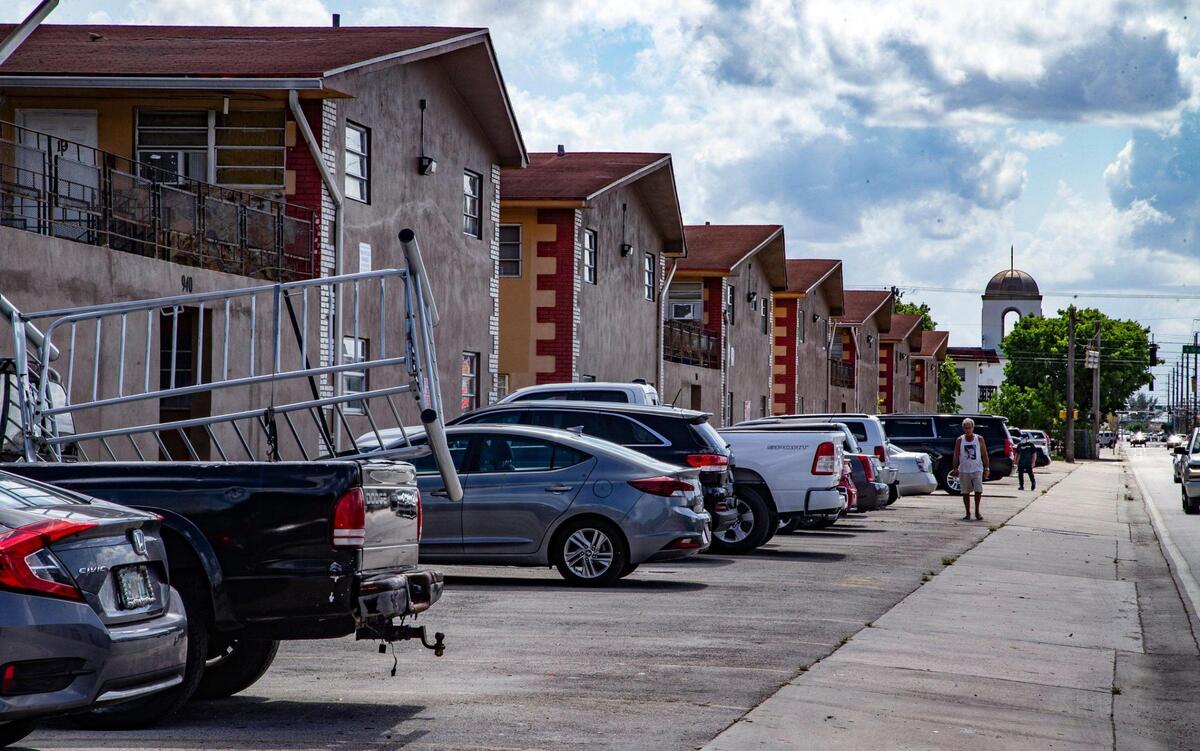
Fontana does not feel like a quiet bedroom suburb trying to find its purpose. It feels like a working city with trucks in its bloodstream, families in every neighborhood, and paychecks tied to the movement of goods. That is why workforce housing demand has become one of the clearest real estate stories in this part of Southern California. The city sits inside the Inland Empire, close to major freight routes, warehouses, distribution yards, and employers that run on early mornings, night shifts, and tight delivery windows. For local renters, buyers, drivers, warehouse associates, dispatchers, mechanics, and supervisors, housing is not a lifestyle accessory. It is a daily cost tied to sleep, commute time, childcare, gas, and family stability. Readers tracking regional real estate and business growth should look at Fontana with that practical lens. The city’s housing pressure is not only coming from coastal Californians chasing lower prices. It is also coming from people who need to live near the work that keeps the region moving.
A Freight City With a Housing Problem Attached
Fontana’s real estate story starts with location, but it does not end there. Plenty of cities sit near highways. Fontana sits where highway access, industrial land, population growth, and working-class household needs all press against one another. That makes the market harder to read from a distance. A map may show a simple logistics advantage. A family living off Sierra Avenue or near South Fontana feels the trade-off more sharply: the jobs are close, the trucks are close, and the affordable options can disappear fast.
The Fontana logistics hub was built around access, not calm
The Fontana logistics hub grew because goods need paths, not pretty slogans. Interstate 10, Interstate 15, Route 210, and nearby links toward Ontario and Los Angeles ports make the area useful for companies that move products across Southern California and beyond. That kind of access pulls industrial users for a plain reason: every mile saved can reduce delays, fuel costs, and driver friction.
For residents, the same strength creates tension. A distribution center can bring paychecks, but it can also bring truck traffic, warehouse lights, road wear, and land-use fights. This is the part many outside investors miss. Industrial growth does not sit in a separate box from housing. It changes which streets feel livable, which homes sell faster, and which renters accept a smaller apartment because it cuts a punishing commute.
Fontana’s own economic development messaging presents the city as a regional base for manufacturing, logistics, and transportation. The city also points to population growth and business growth as linked forces. That connection matters because housing demand near industrial corridors is not accidental. It follows payrolls.
Warehouse jobs change the daily rent math
Warehouse jobs do not always pay like tech jobs, but they can shape housing choices with surprising force. A worker earning hourly wages may value a 12-minute commute more than an extra bedroom farther away. That sounds small until you add fuel, car repairs, school pickup, and the risk of losing pay after being late to a shift.
A picker working a 5 a.m. start in Fontana may not judge rent the way a remote employee in Orange County does. The worker may ask different questions. Can I get home before my child leaves school? Can my spouse use the car after I park it? Is the apartment close enough that an older cousin can help with childcare? Those are housing questions, even though they sound like family logistics.
A counterintuitive thing happens in markets like this. The cheapest unit is not always the most affordable unit. If the cheaper place adds 45 minutes each way, the family may lose more through transportation, stress, and missed shifts than it saves on rent. That is why affordable rental planning for growing suburbs needs to count commute time as part of the monthly bill.
Why workforce housing demand Follows Fontana’s Freight Map
The next layer is more local. Fontana is not pulling renters and buyers only because Southern California housing is expensive. It is pulling them because the job geography is specific. Warehouses, trucking yards, service shops, industrial suppliers, food distributors, and related firms create a web of shift work. People want to live near that web when their income depends on being reliable at odd hours.
Shift work rewards nearby apartments more than bigger houses
Day-shift office workers can often stretch their housing search across a larger map. Shift workers have less room to gamble. A night worker who leaves at 10 p.m. or returns at dawn cares about safety, parking, lighting, and distance in a different way. A missed bus or a traffic jam is not an inconvenience. It can hit the paycheck.
That makes smaller rentals near job corridors more valuable than they look on paper. A two-bedroom apartment close to a distribution area may compete well against a larger home deeper in the region because it protects the household schedule. Families with two wage earners often make the same calculation. One person may work in logistics while another works retail, healthcare, food service, or school support. A central Fontana location can help both.
This is one reason workforce-oriented housing needs more than cheap construction. It needs smart placement. A new unit far from transit, groceries, schools, and job centers may add supply, but it may not solve the problem workers face at 4:30 in the morning.
Inland Empire housing pressure is no longer a coastal spillover story
For years, the Inland Empire housing story was often told as a pressure valve for Los Angeles and Orange County. That is still part of the picture. Buyers priced out of coastal counties still look inland for more space. Yet Fontana shows why that old story is incomplete. Local jobs now create their own housing gravity.
Inland Empire housing demand is tied to a regional labor market that moves goods for millions of people. When warehouses expand, when trucking firms adjust routes, or when distribution hiring changes, nearby neighborhoods feel it. A slow hiring period can soften urgency. A new tenant, a new facility, or a busier peak season can tighten it again. Housing does not wait for a perfect economic report before reacting.
The non-obvious insight is that housing near logistics hubs can stay resilient even when higher-end markets cool. A luxury buyer may pause because interest rates hurt. A warehouse supervisor, forklift operator, or dispatcher still needs a place near work. That does not mean prices rise forever. It means the floor of demand can be steadier than outsiders expect.
The Trade-Offs Buyers and Renters Feel on the Ground
Fontana’s housing market has strength, but it is not a simple success story. The same industrial engine that supports jobs can make daily life harder when planning falls behind. Buyers and renters are not only comparing prices. They are reading streets, school routes, air quality concerns, noise patterns, and the feel of a neighborhood after dark.
Noise, trucks, and school routes shape the search
A home can look perfect online and feel wrong in person once the truck pattern becomes clear. In parts of Fontana, buyers may stand outside during a showing and listen for engine braking, loading activity, or heavy traffic near intersections. Renters do the same thing, even if they do it less formally. They notice whether children have to cross busy roads. They notice whether street parking fills with work vehicles after sunset.
This does not make industrial areas bad by default. It means housing near industrial land needs honest pricing and stronger design. Better buffers, safer crossings, tree cover, truck-route enforcement, and site planning can decide whether a neighborhood feels workable or worn down. Small details matter. A wall, a turn lane, or a safer sidewalk can change how a family judges a block.
The Fontana logistics hub gives the city economic force, but it also raises the standard for local planning. A city that benefits from freight has to protect the households living beside freight. Otherwise, the housing market carries the hidden cost.
Why newer subdivisions do not solve every local gap
New homes can help, but they do not automatically meet working-household needs. Many new subdivisions in inland markets target buyers who can qualify for larger mortgages. That helps some families, especially multigenerational households pooling income. It does less for renters who need a stable apartment near a shift job, or for first-time buyers who can manage a payment only if transportation costs stay low.
Fontana’s Census profile shows why this matters. The city has a strong owner-occupied share, a large average household size, and housing costs that still stretch many families. The U.S. Census Bureau QuickFacts page for Fontana reports local housing and commute data that help explain the squeeze. A city can look more affordable than coastal California and still feel expensive to the people powering its warehouses.
Here is the counterintuitive piece: more homes on the edge can increase pressure near the center if they fail to match worker routines. If a new subdivision adds rooftops but not enough rental supply, transit access, or nearby services, workers still chase older apartments closer to job zones. Supply helps most when it matches the real shape of daily life.
What a Smarter Fontana Housing Strategy Should Look Like
The answer is not to choose between jobs and homes. That argument is too flat for a place like Fontana. The city needs logistics, and many families need the jobs tied to it. The better question is how to shape housing so workers can live with more stability and neighborhoods do not absorb every cost of the freight economy.
Mixed-income rentals near job corridors need rules that protect residents
Fontana needs more housing that fits hourly workers, young families, and middle-income households. That does not mean packing people beside truck docks and calling it practical. It means placing mixed-income rentals where commutes make sense, then demanding design that respects health and daily comfort.
A good project near a job corridor should think about shade, windows, filtration, sound control, safe walking paths, and access to groceries. It should not treat residents as an afterthought because the land sits near industry. If anything, those homes need stronger standards. People who work hard shifts deserve a calm place to sleep.
This is where local policy and private builders meet. Incentives can help produce apartments and townhomes at prices workers can reach. Rules can keep those projects from becoming cheap units in poor locations. Inland Empire housing policy has to grow up from a bedroom-suburb model into a job-and-housing model.
Employers, planners, and builders should treat commute time like a cost
Employers also have a stake in housing, even when they do not own apartments. Long commutes increase turnover, lateness, fatigue, and hiring strain. A warehouse that can fill shifts only by pulling workers from far away may appear efficient on paper, then lose money through churn. Housing distance becomes an operating cost.
A smarter approach would bring employers, city planners, transit agencies, and builders into the same room earlier. They should compare shift schedules with bus routes. They should study where workers already live. They should ask which housing types would reduce turnover, not only which projects produce the most units.
That may sound outside the usual real estate playbook, but it is practical. A city built around freight should understand movement better than most places. The next stage of Fontana’s growth should apply that same logic to people, not only pallets.
Conclusion
Fontana’s future will not be decided by warehouses alone. It will be decided by whether the city can turn its logistics strength into a livable daily pattern for the people who keep that economy running. The work is already here, and the housing market is responding in ways that buyers, renters, investors, and planners cannot ignore. The pressure is not random. It follows highways, shift schedules, childcare needs, and the gap between wages and housing costs. That is why workforce housing demand should be treated as a core planning issue, not a side effect of growth. Fontana can still build a stronger balance if it protects neighborhoods, supports mixed-income homes, and treats commute time as part of affordability. For readers comparing inland markets, start with the human math, not the warehouse square footage. That is where the real signal lives.
Frequently Asked Questions
Is Fontana a good place for logistics workers to live?
Yes, especially for workers who want shorter commutes to warehouses, trucking firms, and related employers. The best fit depends on shift times, school needs, parking, and distance from truck-heavy roads. A lower rent farther away may cost more after fuel and time.
Why are warehouse jobs affecting Fontana housing?
They create steady local demand from people who need to live near shift-based work. Warehouses also support nearby jobs in maintenance, security, trucking, food service, and retail. That job cluster pushes more households to search close to employment corridors.
Is Fontana more affordable than coastal California?
Often, yes, but that does not mean it feels cheap to local families. Home prices and rents can still stretch hourly workers. Fontana may offer better value than Los Angeles or Orange County while still requiring careful budgeting.
What areas should renters compare before moving to Fontana?
Renters should compare commute routes, parking rules, school access, grocery distance, noise, and truck traffic. A unit that looks similar online may feel different after a weekday drive near shift-change hours or warehouse loading times.
Are warehouses bad for nearby home values?
The effect depends on distance, traffic, buffers, street design, and buyer expectations. Some homes near job centers attract workers who value short commutes. Others may face resistance if truck noise, road congestion, or land-use conflicts feel too strong.
What kind of housing does Fontana need most?
Fontana needs more attainable rentals, townhomes, starter homes, and family-sized apartments near services and job corridors. The city also needs design standards that protect residents from noise, traffic, heat, and poor walking conditions.
Is Fontana only growing because people leave Los Angeles?
No. Coastal spillover plays a role, but local employment creates its own pull. Logistics, transportation, retail, healthcare, and service jobs all support housing demand from households already tied to the Inland Empire economy.
Should investors look at Fontana rental property?
They should study worker demand, commute routes, rent levels, and neighborhood conditions before buying. Strong demand near job centers can help, but properties exposed to heavy truck traffic or weak maintenance may face tenant turnover and higher costs.